 Sophie Noble
In 2025, a well-optimised Google Hotel Business Profile is essential for attracting direct bookings and enhancing your hotel’s online presence. With travellers increasingly relying on Google Search and Maps to find accommodations, ensuring your profile stands out is more critical than ever.
What is Local SEO for hotels?
Local SEO (Local Search Engine Optimisation) for hotels is the strategic process of enhancing your hotel’s online presence to ensure it appears prominently in local search results when travellers are looking for accommodation in your area. This includes visibility on platforms like Google Search, Google Maps, and travel-specific directories. The goal is to capture high-intent searches such as “hotels near me” or “boutique hotel in [city]” by optimising your listings, website content, and local signals so that potential guests can easily find and choose your property.
Why is Local SEO Important for Hotel Businesses?
For hotel businesses, Local SEO is not just a marketing tacticit’s a vital channel for driving direct bookings, reducing reliance on costly third-party platforms, and improving online reputation. A strong local SEO presence ensures your hotel stands out in competitive markets, especially for niche audiences searching for unique features like “eco-friendly hotel” or “EV charging station hotel.” An accurate and well-optimised Google Business Profile builds trust with potential guests, showcases your amenities, and encourages positive reviews. Ultimately, investing in Local SEO helps hotels increase occupancy, enhance brand control, and connect with travellers when they’re ready to book.
Key Steps to Optimise Your Google Hotel Business Profile
1. Complete Every Section of Your Profile
Ensure all information is accurate and up-to-date
Business Name
Use your official hotel name without keyword stuffing.
Address and Contact Information
Ensure consistency across all platforms.
Website and Booking Links
Direct guests to your official booking channels.
Business Hours
Include check-in and check-out times.
Choose the most relevant primary category (e.g., Hotel, Resort, Bed & Breakfast) and add secondary categories to highlight specific services or amenities. Regularly review and update these categories to reflect any changes in your offerings.
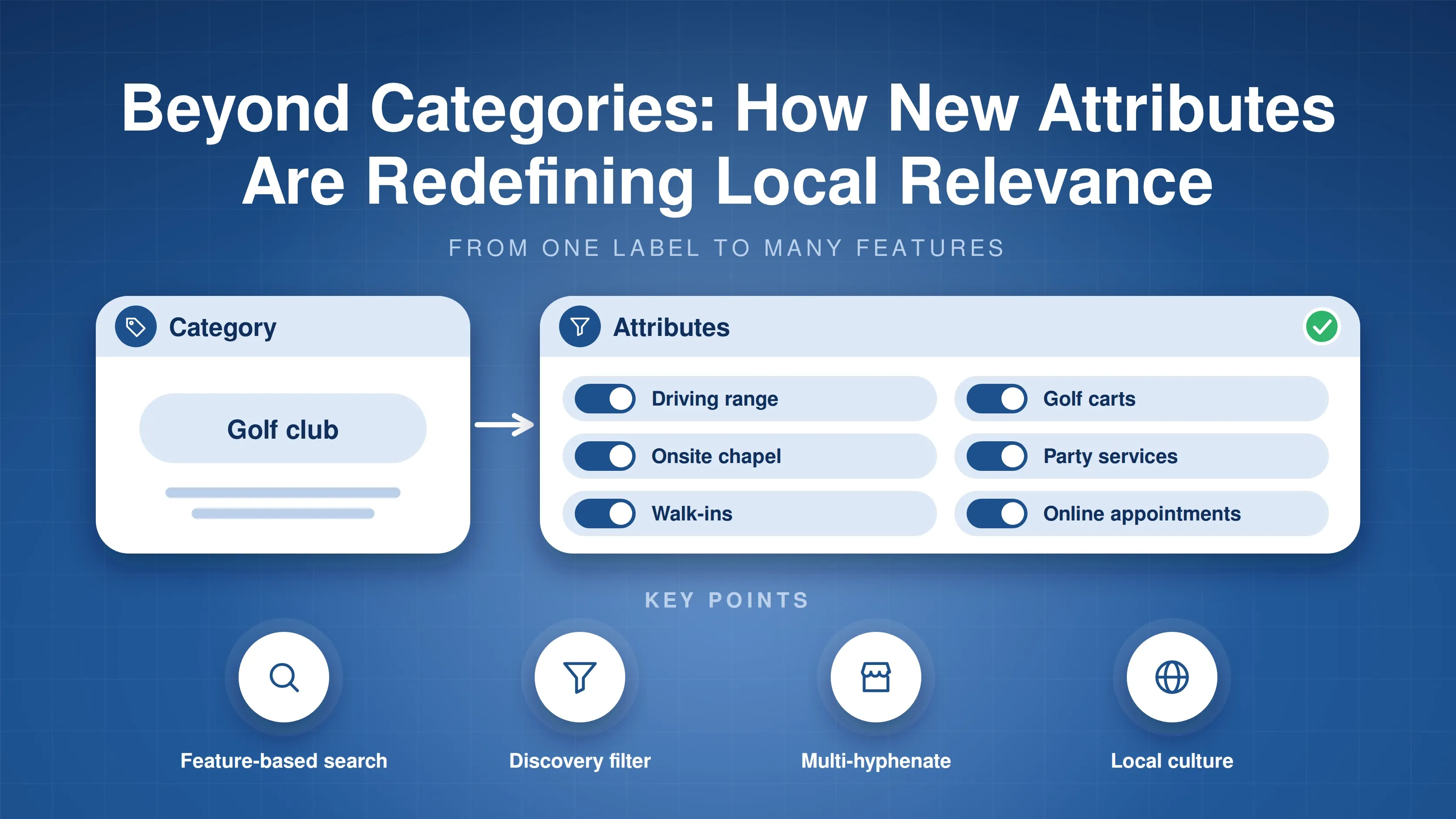
3. Highlight Amenities with Attributes
Utilise the “Hotel attributes” section to showcase amenities such as free Wi-Fi, pet-friendly rooms, or spa services. These attributes help potential guests filter and find accommodations that meet their specific needs.
4. Showcase Sustainability Initiatives
The hospitality sector has a significant environmental footprint through water and energy consumption, waste generation, and the use of consumables. At the same time, it heavily relies on the natural environment to thrive. Whether it’s unspoilt beaches, pristine air, or alpine landscapes, these natural assets are at the heart of tourism appeal.
In a recent Google study, 82% of people said that a company’s degree of sustainability influences their purchasing decisions. Skift Research echoes this, reporting that 83% of global travellers believe sustainable travel is important.With sustainability now seen as a cornerstone of successful 21st-century business, Google has sustainability attributes specifically for hotel Google Business Profiles, allowing properties to better communicate their environmental efforts to eco-conscious guests.
Hotels can now highlight actions such as:
Energy efficiency measures
Water conservation strategies
Waste reduction programs
Sustainable sourcing and operations
These sustainability tags appear directly on your profile and can be a key differentiator in a crowded market, especially as travellers increasingly prioritise green choices.
5. Add High-Quality Photos and Videos
Visual content significantly influences booking decisions. Upload high-resolution images of rooms, common areas, amenities, and the surrounding neighbourhood. Regularly update your gallery to reflect current offerings and seasonal changes.
6. Encourage and Respond to Reviews
Positive reviews enhance your hotel’s credibility. Encourage satisfied guests to leave reviews and respond promptly to feedback, addressing any concerns and thanking guests for their input. Engaging with reviews demonstrates your commitment to guest satisfaction.
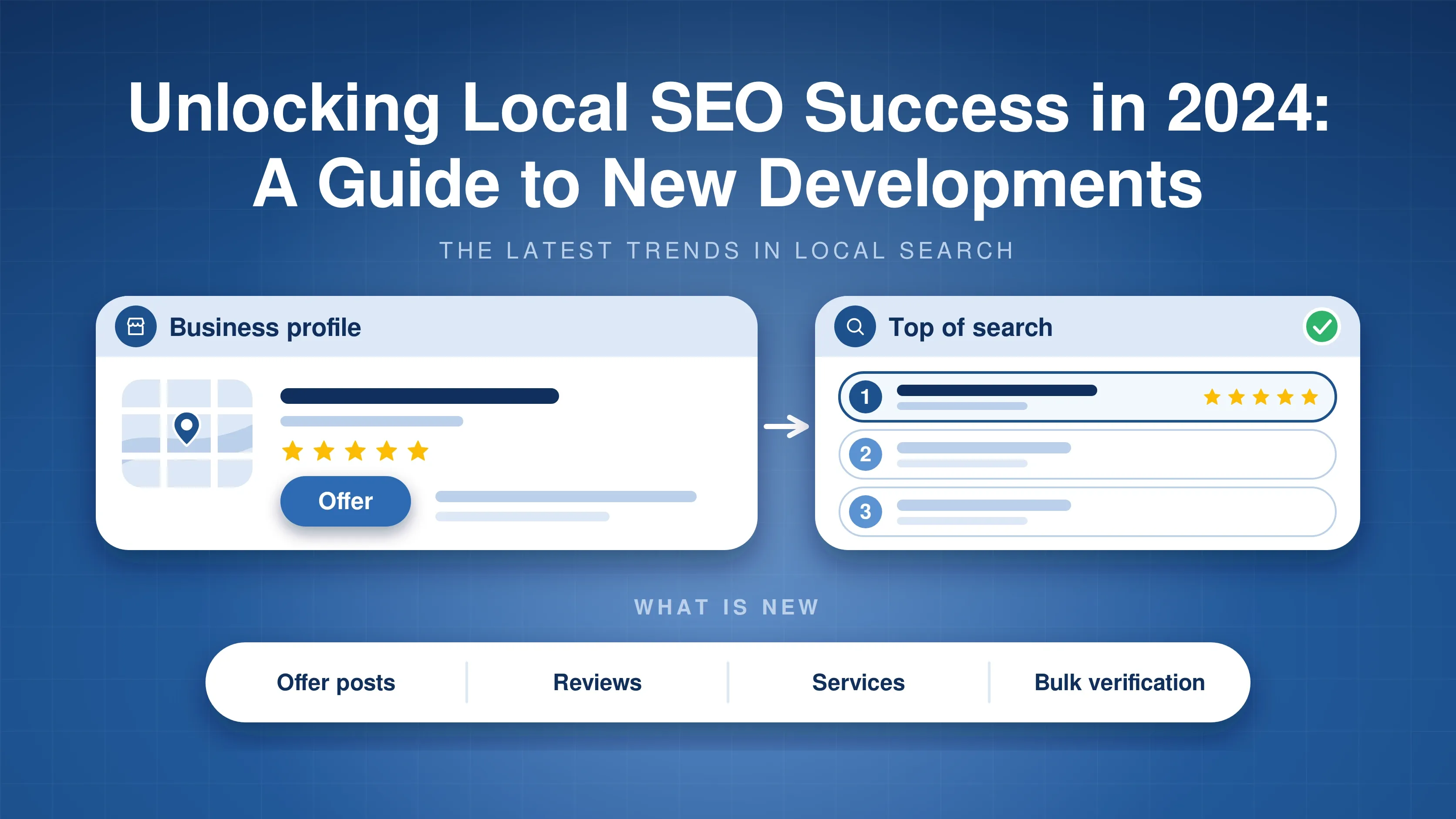
7. Use posts to Share Updates and Offers
Regularly publish posts about special offers, events, or news related to your hotel. These posts appear directly on your profile, keeping potential guests informed and engaged.
8. Ensure Consistency Across All Platforms
These attributes allow hotels to show users their sustainable and environmentally responsible policies. In addition, it will help hotels to rank better in local search results when a user uses keywords related to sustainability (e.g. “sustainable hotel”, “hotel with renewable energy”, “hotel with organic food”).
Eco-Certification
In addition to the sustainability attributes, Google has also enabled the option for hotels to add an eco-certification. Hotels that have met sustainability standards from an independent organisation such as Green Key, Green Seal, and EarthCheck will have an eco-certified badge next to their name in searches on google.com/travel.
When a hotel is labelled “eco-certified” on Google, it means they have reported earning a certification from an agency that Google has identified as meeting the following standards:
- The agency must use globally recognized and reputed criteria to evaluate the hotel.
- The evaluation must focus on environmental impact from at least these 4 categories:
- Energy efficiency
- Water conservation
- Waste reduction
- Sustainable sourcing
- The agency must conduct an on-site audit to verify the hotel’s sustainability practices or use an independent third party to do so.
Eco-certifications are granted to hotels that meet sustainability criteria designated by a third-party certification agency. Eco-certifications also serve as a signal to help consumers and the broader community know that your hotel is actively working to make a positive environmental impact in the world.
Sustainability for Hotels on Google in action
Google has now partnered with Travalyst, a not-for-profit sustainable travel organisation founded in 2021 by Harry, Duke of Sussex. Google will help the organisation to develop a standardised model for calculating and displaying carbon emissions from air travel, which will ultimately lead to the development of similar standards for hotels.
We already know how important sustainability is to your guests and your business growth, and that there are hundreds of sustainability practices you can implement in your hotel. If you choose not to highlight to potential guests what you are doing to help preserve the destination, local community, and environment you will lose out on customers who prioritise sustainability. Read more about local SEO in our blog.
Leveraging Tools for Efficient Management
Managing multiple listings can be time-consuming. Platforms like GMBapi.com offer solutions for bulk editing, photo uploads, and review management, streamlining the optimisation process for hotels with multiple locations.
Stay Informed and Adapt
Google frequently updates its features and algorithms. Stay informed about the latest changes to ensure your Google Hotel Business Profile remains optimised and competitive.
Frequently Asked Questions
Local SEO ensures your hotel shows up when potential guests are actively searching for a place to stay. A well-optimised profile makes it easier for people to find, trust, and book your hotel, especially when enhanced with accurate info, great photos, positive reviews, and unique amenities like sustainability features.
Key factors include:
- Completing your Google Business Profile with accurate details and relevant attributes (e.g., sustainability features).
- Gathering and responding to customer reviews.
- Ensuring consistent NAP (Name,
- Address, Phone number) across all listings.
- Optimising your website with locally relevant keywords.
- Publishing local content that highlights nearby attractions and experiences.
Review and update your profile at least quarterly, or anytime something changes, such as:
- Adding new amenities (e.g., EV chargers, organic breakfast).
- Earning a new certification (e.g., Green Key, EarthCheck).
- Announcing major news, events, or seasonal promotions.
Yes. While your Google Business Profile helps people find you, your website helps convert interest into direct bookings. It should be optimised for local SEO and offer a smooth booking experience.
- Fully complete your Google Business Profile.
- Use high-quality images of your rooms, amenities, and surroundings.
- Add relevant sustainability and accessibility attributes.
- Encourage guests to leave reviews.
- Post updates regularly to keep your profile active and engaging.
Log in to your Google Business Profile, then navigate to: Information → Available Services → Add Attributes.
- Energy Efficiency
- Water Conservation
- Waste Reduction
- Sustainable Sourcing
These attributes help demonstrate your commitment to eco-friendly practices and may improve visibility when users search for “eco-friendly” or “sustainable hotels.”
Yes. You can link your booking engine through the website URL or via a “Book Online” button, if supported by your booking provider. This increases direct bookings and lowers reliance on OTAs.
- Seasonal packages and promotions
- Events happening at or near the hotel
- Renovation or reopening announcements
- Local travel tips or area highlights
Posting regularly boosts engagement and supports SEO.
- Google Business Profile is free and helps your hotel appear in organic search results.
- Google Hotel Ads is a paid option that displays your rates and availability in Google Search and Google Travel, often alongside OTAs.
Yes, Google Business Profile Manager supports bulk management. For advanced functionality – like bulk photo uploads, review responses, and structured data syncing – platforms like GMBapi.com offer added efficiency.
It can take a few days for newly added attributes to be reviewed and published by Google. Ensure your listing is verified and that all attributes are submitted correctly.
Recognised third-party certifications (e.g., Green Key, EarthCheck) will appear as an “Eco-certified” badge in your Google Travel listing. You can update certifications via your profile or through a connected hotel partner.
- Using keywords in your business name (against Google guidelines).
- Inconsistent NAP information across platforms.
- Ignoring or not responding to guest reviews.
- Failing to update images, amenities, or posts regularly.
- Overlooking the opportunity to highlight sustainability or accessibility features.